Wildfire pet preparedness: keeping animals safe during smoke and evacuations
Quick Takeaways
- Keep pets indoors during poor air quality. When wildfire smoke is present, keep pets inside with windows and doors closed. Using an air purifier with a HEPA filter can help maintain indoor air quality[1].
- Monitor vulnerable pets closely. Flat-faced breeds, young, senior, and pets with pre-existing conditions are more susceptible to smoke and heat.
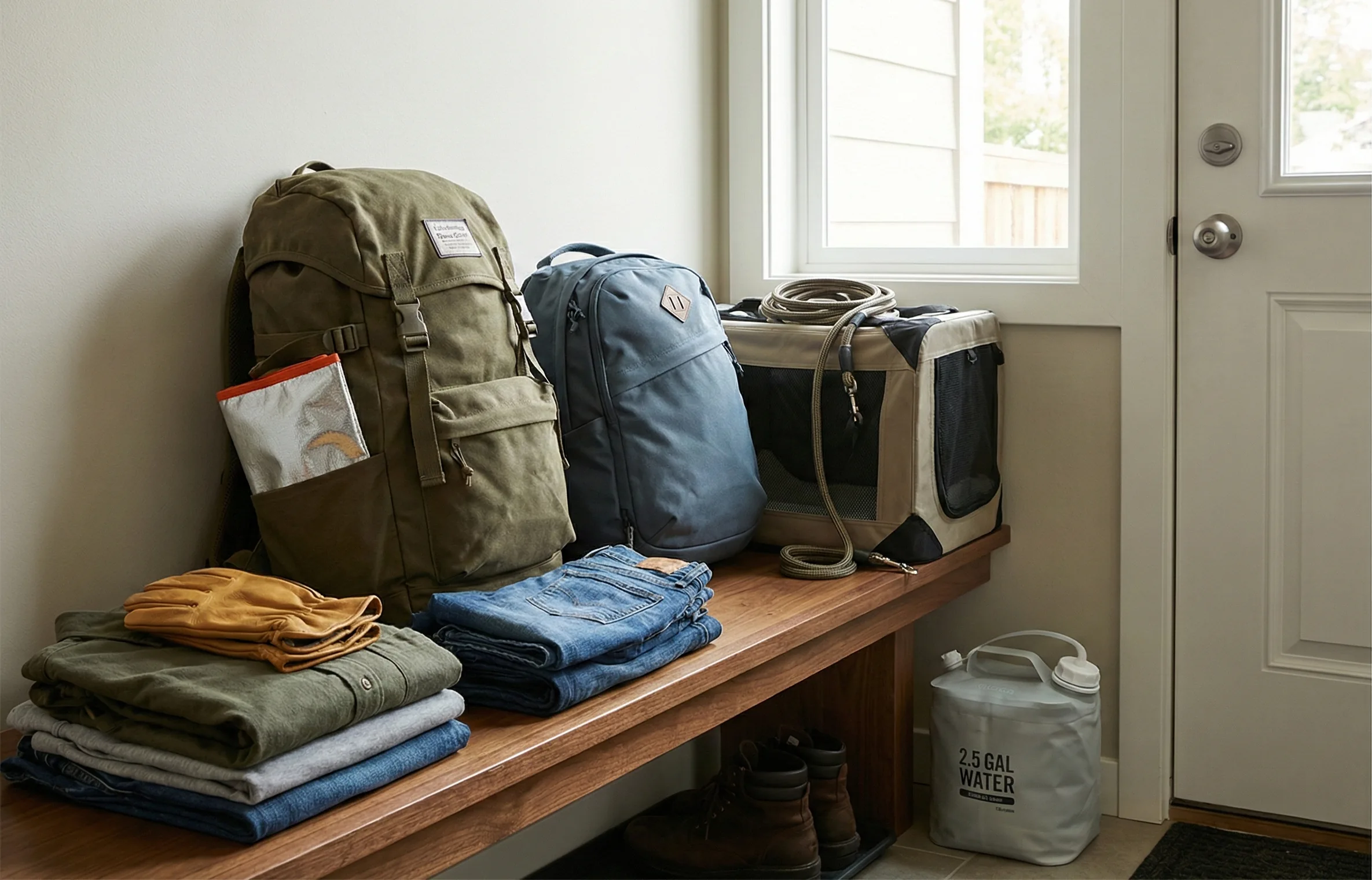
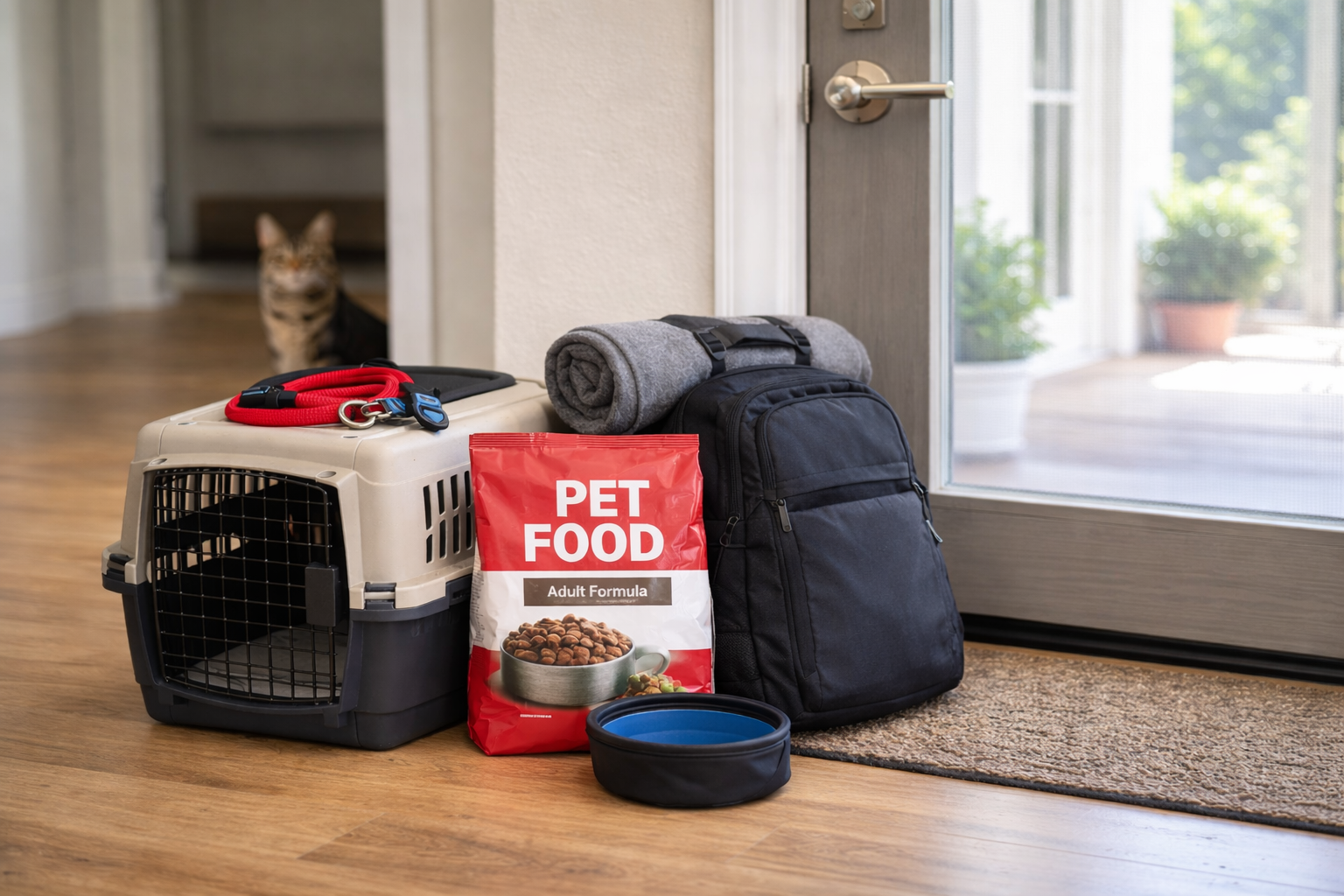
- Prepare a pet evacuation kit. Assemble supplies including two to four weeks of food and water, medications, medical records, collapsible dishes, waste supplies, and comfort items.
- Never leave pets behind. If evacuation is necessary, always take your pets with you and leave early for everyone’s safety.
- Ensure proper identification. Keep collars, tags, and microchips up-to-date to facilitate the quick return of lost pets.
Gear in this guide
-
First Aid & Medical
Protect Life 100-Piece First Aid Kit
View Product -
Shelter & Warmth
Emergency Mylar Space Blankets (12-Pack)
View Product -
Lighting & Power
Energizer Vision HD Ultra LED Flashlight
View Product
As an Amazon Associate I earn from qualifying purchases.
On this page
- Quick Takeaways
- Who this guide is for and when it applies in Canada
- Understanding the risks to pets
- Preparation timeline: today, this week, this season
- Actions to take today
- Actions to take this week
- Actions to take this season
- Step-by-step action plan during smoke or evacuation
- Key decision points for different situations
- Recommended product families for pet preparedness
- Pet Carriers
- Pet Emergency Kits
- Portable Air Purifiers
- Pet Respiratory Masks
- Portable Water Bowls and Feeders
- Cooling Mats
- Microchip and ID Tags
- Pet First‑Aid Kits
- Pet evacuation checklist
- Common mistakes and myths about pet wildfire safety
- When to seek professional help or escalate
- Sources
Who this guide is for and when it applies in Canada
This guide is designed for pet owners across Canada living in regions vulnerable to wildfires or smoke plumes. It provides information for dogs, cats, and small mammals. Smoke can affect areas hundreds of kilometres from active fires, meaning even urban pet owners in regions like Southern Ontario or Atlantic Canada should prepare. Wildfire seasons typically span spring through fall, though regions like British Columbia’s interior or the Prairies may experience smoke at other times. Preparation is easiest during the off-season.
Understanding the risks to pets
Pets do not understand environmental changes like smoke and may become stressed, hide, or run away. Smoke irritation can cause coughing, watery eyes, sneezing, and difficulty breathing. Animals with flat faces (brachycephalic breeds), seniors, kittens, puppies, and those with heart or lung conditions are at higher risk. Pet-friendly shelters may be limited during evacuations, and not all hotels accept animals. Planning ahead is crucial to prevent separation or harm. While pet respiratory masks exist, most are for veterinary use; consult your veterinarian before purchasing.
Preparation timeline: today, this week, this season
Actions to take today
- Create a clean room. Designate a room with minimal windows for pets during smoke events. Seal it and set up an air purifier.
- Update identification. Ensure your pet’s collar has current contact information. Schedule microchipping or tattooing if needed.
- Compile veterinary records. Gather vaccination certificates, prescriptions, and a recent photo. Store copies in a waterproof folder and digitally.
Actions to take this week
- Assemble a pet emergency kit. Include food and treats for two to four weeks, collapsible dishes, a manual can opener, a spoon, and bottled water (70 mL/kg for dogs; 1 L/day for cats).[2]
- Build a pet first‑aid kit. Include gloves, a flashlight, blunt‑tip scissors, gauze pads, gauze rolls, rubbing alcohol, antibiotic ointment, sterile rinse, a cold pack, bandage material, a thermometer, and an emergency thermal blanket. Consult your vet about administering medications.
- Secure carriers and travel equipment. Acquire a sturdy carrier for each pet. For dogs, include leashes (2 m and 5–7 m), harnesses, and muzzles.
- Teach evacuation behaviour. Practice calmly loading pets into carriers and vehicles.
Actions to take this season
- Vaccinate and consider insurance. Update vaccinations and explore pet insurance for emergency boarding coverage.
- Arrange accommodation. Identify pet‑friendly hotels, friends, or family outside potential danger zones. Check for pet‑friendly evacuation centres.
- Rotate supplies. Rotate pet food and water every three months and replace medications as per veterinary advice[3] [4].
Step-by-step action plan during smoke or evacuation
- Monitor air quality. Use Environment Canada and local advisories. When air quality worsens, bring pets indoors, close windows, and run an air purifier.
- Create a safe space. Move pets to the prepared clean room with familiar bedding, toys, and water.
- Minimise outdoor exposure. Limit dogs to brief bathroom breaks only when necessary. Provide indoor enrichment activities.
- Prepare for evacuation. Monitor wildfire alerts. Load carriers, the pet emergency kit, and your go‑bag into your vehicle. Attach ID tags to carriers.
- Evacuate early. Leave before conditions become severe. Always bring your pets. Display an emergency sticker on your doors indicating pets inside.
- Stay together. At evacuation centres, keep pets leashed or crated. Provide comfort items and maintain routines as much as possible.
- Return home safely. Check your home for hazards before releasing pets. Maintain good indoor air quality until smoke clears.
Key decision points for different situations
- Cats vs. Dogs vs. Small Animals: Cats need separate litter boxes. Dogs require leashes and muzzles. Small animals need secure cages and extra bedding.
- Vehicle vs. No Vehicle: If you lack a vehicle, arrange transport with neighbours or community groups. Contact local animal shelters for assistance.
- Urban vs. Rural: Rural owners may face longer travel distances; ensure carriers are well-ventilated. Urban owners should plan alternate routes to avoid congestion.
- Apartment vs. House: Apartment owners should coordinate with property management on evacuation plans. House owners should have ready access to carriers and plan for pets in yards.
Recommended product families for pet preparedness
Pet Carriers
Why it helps: A sturdy, appropriately sized carrier keeps pets secure during evacuations and can also serve as a safe space during smoke events.
What to look for:
- Hard‑sided or soft‑sided carriers approved for airline or vehicle transport.
- Adequate ventilation and secure latches.
- Carriers sized so the pet can stand, turn around, and lie down comfortably[5].
Good / Better / Best:
- Good: Basic hard‑plastic carrier with metal door.
- Better: Soft‑sided carrier with padded straps and pockets.
- Best: Collapsible or rolling carrier with expandable sections for extended stays.
Pet Emergency Kits
Why it helps: Pre‑assembled kits save time during evacuations and ensure you have essential supplies for food, water, and basic care.
What to look for:
- Kits that include collapsible bowls, waste bags, basic first aid items, and emergency blankets.
- Space to add your pet’s specific medications and records.
- Waterproof container or bag.
Good / Better / Best:
- Good: Starter kit with bowls and waste bags.
- Better: Kit with first‑aid supplies, collapsible dishes, and space for medications.
- Best: Comprehensive kit including food storage, water filters, blankets, and reflective vests.
Portable Air Purifiers
Why it helps: Portable HEPA air purifiers reduce indoor smoke particles, protecting both pets and humans.
What to look for:
- Units with true HEPA filtration and activated charcoal to capture odours.
- Coverage area suitable for the size of your clean room.
- Quiet operation and child‑ or pet‑safe design.
Good / Better / Best:
- Good: Compact HEPA purifier for small rooms.
- Better: Larger unit with multiple speed settings and filter change indicators.
- Best: Smart purifier with air quality sensors and remote monitoring.
Pet Respiratory Masks
Why it helps: Some masks are designed for veterinary use to administer oxygen; they may provide limited protection against smoke during transport. Always consult your veterinarian before use.
What to look for:
- Masks sized appropriately for dogs and cats.
- Adjustable straps for a secure fit.
- Transparent design to monitor your pet.
Good / Better / Best:
- Good: Basic oxygen mask designed for pet first aid kits.
- Better: Mask with adjustable head straps and replaceable filters.
- Best: Veterinary‑grade mask with oxygen adapter and carrying case.
Portable Water Bowls and Feeders
Why it helps: Foldable bowls and dispensers make it easy to provide water and food on the go and help prevent dehydration during travel.
What to look for:
- Collapsible silicone or fabric bowls that are leakproof.
- Portable feeders with storage compartments for kibble.
- BPA‑free materials and easy‑to‑clean designs.
Good / Better / Best:
- Good: Basic collapsible bowl.
- Better: Folding bowl with attached carabiner and storage bag.
- Best: Integrated feeder and water dispenser with carrying handle and locking lids.
Cooling Mats
Why it helps: Gel or water‑filled cooling mats can help regulate your pet’s body temperature during extreme heat or smoky conditions when air conditioning may be limited[6].
What to look for:
- Durable, puncture‑resistant materials.
- Non‑toxic cooling gel or phase change material.
- Sizes appropriate for your pet’s weight and breed.
Good / Better / Best:
- Good: Basic gel cooling pad.
- Better: Foldable mat with waterproof cover.
- Best: Self‑cooling pad with high‑density gel and non‑slip base.
Microchip and ID Tags
Why it helps: Up‑to‑date identification increases the chances that lost pets are reunited with owners.
What to look for:
- Durable ID tags engraved with current contact information.
- Microchip services registered with provincial or national pet registries.
- QR‑code tags linking to online profiles.
Good / Better / Best:
- Good: Basic metal ID tag.
- Better: Tag with QR code and free online registry.
- Best: GPS‑enabled smart tag with smartphone tracking.
Pet First‑Aid Kits
Why it helps: Having a dedicated first‑aid kit allows you to treat minor injuries and provide basic care until veterinary help is available.
What to look for:
- Kits that include bandages, gauze, antiseptic wipes, tweezers, and an emergency blanket.
- A pet first‑aid guide or manual.
- Space to add prescription medications.
Good / Better / Best:
- Good: Basic kit with bandages and antiseptic wipes.
- Better: Comprehensive kit with tools (scissors, tweezers) and a pet first‑aid manual.
- Best: Veterinary‑approved kit with emergency splint, thermometer, and reflective gear.
Pet evacuation checklist
- Two to four weeks of pet food and treats
- Bottled water (70 mL/kg/day for dogs; 1 L/day per cat) and collapsible dishes[7] [8]
- Sturdy carrier for each pet and extra bedding
- Leashes, harnesses, and muzzles (for dogs)
- Litter box, litter, and scoop for cats
- Bedding and hiding box for small animals
- Pet first‑aid kit
- Medications and medical records in a waterproof bag
- Copies of vaccination history and recent photos
- Waste bags, paper towels, and disinfectant
- Comfort items and toys
- Emergency sticker for your home indicating pets
- List of SPCA centres and Animal Helpline numbers
Common mistakes and myths about pet wildfire safety
- Myth: “Pets will be fine outside during smoke.” Reality: Prolonged exposure can irritate eyes and lungs; limit outdoor time.
- Mistake: “I’ll find a carrier when I need one.” Reality: Carriers may sell out; acquire them in advance.
- Mistake: “Pets don’t need ID if they’re microchipped.” Reality: Microchips must be registered and updated; also use a collar tag.
- Myth: “My pet will be allowed in any shelter.” Reality: Not all evacuation centres accept animals; call ahead for pet‑friendly options[9] [10].
- Myth: “Pet masks are the solution.” Reality: Respiratory masks are specialised and should only be used with veterinary guidance.
When to seek professional help or escalate
- Contact your veterinarian if your pet shows signs of smoke irritation (coughing, red eyes, difficulty breathing).
- Call emergency services or the SPCA Helpline if you cannot evacuate with your pets or need assistance moving animals.
- Seek immediate veterinary care if your pet collapses or has laboured breathing.
- Reach out to animal shelters or rescue organisations for temporary boarding if you cannot return home.
Sources
- Cornell University College of Veterinary Medicine — Dog safety during poor air quality alerts or wildfire smoke | Cornell University College of Veterinary Medicine
- Alberta Animal Health Source — Preparing Your Pets for Emergencies | Alberta Animal Health Source
- Pet Disaster Preparedness & Recovery | American Red Cross
- Humane World for Animals — Pet Emergency Plan and Disaster Preparedness
- Transporting pets - inspection.canada.ca
- American Kennel Club — How Cooling Mats for Dogs Can Help Beat the Heat
- Hastings Veterinary Hospital — Hydration for Pets: How Much is Enough? | Hastings Veterinary Hospital
- Pet Nutrition at OVC — Beat the Heat: Your Guide to Pet Hydration – Pet Nutrition at OVC
- Alberta.ca — Pet preparedness | Alberta.ca
- ASPCApro — Sample Plans for Evacuation and Sheltering | ASPCApro